

How to Reset Tire Pressure Light?

How to Reset Tire Pressure Light?

If your flashing tire pressure light persists after inflating your tires to the correct pressure, you’ll probably need to reset it. If your TPMS light is on, and there’s any chance that you’re due for a tire inspection or replacement, explore our tire packages and get in touch with our service department for help near Caledon.

Resetting Your Flashing Tire Pressure Light

Have you properly inflated your tires per the unique recommendations in your vehicle’s owner’s manual? Is your TPMS light still on? If so, follow these steps to learn how to reset your tire pressure light:

  • Drive at or over 80 km h for longer than 10 minutes to reset your sensor. After 10 minutes, you’ll need to restart your car for the sensor to turn off.
  • If the above doesn’t work, Orangeville drivers can turn their vehicle off, turn the key to the “On” position without starting the car, and then hold the TPMS reset button until their tire pressure light flashes three times. You’ll then want to start the car and let it idle for twenty minutes. For the record, most tire pressure reset buttons are underneath the steering wheel, but you can consult your owner’s manual for specifics.
  • The final strategy is to turn your vehicle off, disconnect the positive battery cable with a wrench, turn on the car and press on the horn for three seconds. This should empty out the remaining power in the vehicle. Once you’ve done this, reconnect your battery.

What Does a Flashing Tire Pressure Light Mean?

Your TPMS system uses sensors that monitor the air pressure in your tires. If you’re certain that your tires aren’t under- or over-inflated, If the flashing tire pressure light doesn’t indicate that your tires are under inflated, it likely means that the batteries in your TPMS sensors need replacement.

Is Your TPMS Light Still? Reach Out for Help!

If you’ve read our guide on how to reset your tire pressure light, and your flashing tire pressure light persists, give Mercedes-Benz Brampton a call. We’ll take a look at your TPMS system and your tires to locate the root of the problem. In the meantime, Georgetown drivers can read some of our other helpful guides on tire care, like our overview of the average lifespan for tires and how to check tread depth.


You might also be interested in these blogs:

2027 Mercedes-Benz AMG GT Coupe 2-door

2027 Mercedes-Benz AMG GT Coupe 2-door
plus

Photo for illustrative purposes only.

More Details link-icon

Other Articles That May Interest You

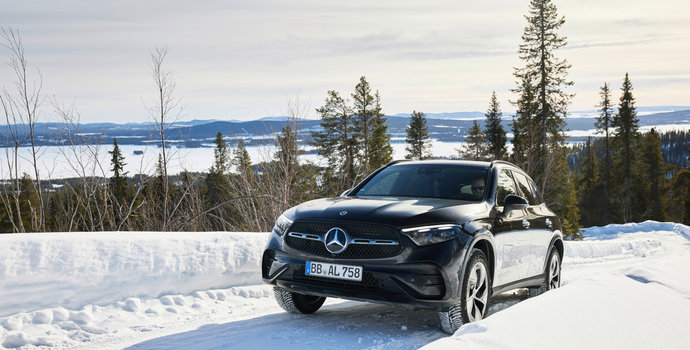
Mercedes-Benz Winter Tire Guide and Weather Maintenance Tips
plus

Mercedes-Benz Winter Tire Guide and Weather Maintenance Tips

Cold mornings, slush and salty roads ask a lot of any vehicle. Your Mercedes-Benz uses systems like ABS and ESP to help you stay in control, and every one of them depends on the grip between your tires and the road. The right tires, set to the right pressure, give those systems the traction they need. This guide covers choosing winter tires, reading the MO markings on the sidewall, checking...
Read more link-icon
2026 vs 2027 Mercedes-Benz GLC: What Changes With the Electric GLC 400?
plus

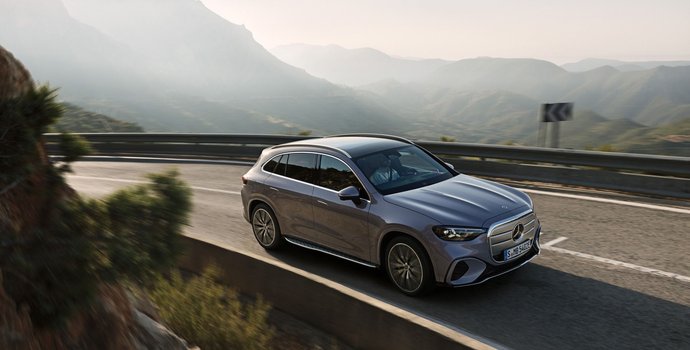
2026 vs 2027 Mercedes-Benz GLC: What Changes With the Electric GLC 400?

The Mercedes-Benz GLC has long been the go-to midsize luxury SUV for drivers who want room for the family, a quiet cabin and 4MATIC all-wheel drive. For the 2027 model year, the GLC family grows in a new direction. The all-new electric GLC 400 4MATIC joins the lineup next to the 2026 GLC 300, which runs on gas with mild hybrid help, and the 2026 GLC 350e plug-in hybrid. That gives shoppers...

Read more link-icon
4MATIC in Fall Rain: Why All-Wheel Drive Matters on Ontario’s Wet Autumn Roads
plus

4MATIC in Fall Rain: Why All-Wheel Drive Matters on Ontario’s Wet Autumn Roads

The first cold rain of the season rarely announces itself. One morning the pavement is dry, and by the afternoon commute it’s slick with a mix of rain, road oil, and a fresh layer of fallen leaves. For Ontario drivers, that combination shows up every autumn, and it changes how a vehicle grips the road. This is exactly the kind of moment 4MATIC all-wheel drive is built to handle. Here’s what the...

Read more link-icon