What is Tire Rotation?

What is Tire Rotation?

What is tire rotation? Tire rotation is an important service that involves routinely moving the position of your car’s tires. The main reason tire rotation is performed to prevent one or more tires from wearing down too quickly, resulting in the need for early tire replacement. Additionally, rotating your car’s tires helps improve road grip, prevents blowouts, and boosts fuel economy. There’s no good reason not to complete this car service. Read on for answers to the following questions:

  • What does tire rotation do?
  • What does rotating tires mean?
  • What are the tire rotation benefits?
  • How often should you rotate your tires?

What Does it Mean to Rotate Tires?

Rotating your car’s tires is a straightforward service. Generally, there are no complex repairs or inspections or cutting-edge software needed; it involves moving a tire from one position to another to promote even tread wear. Usually, the front tires are moved to the rear — and vice versa. Depending on the car’s drivetrain, the tires may change sides. Here are some quick facts about tire rotation:

  • Cars have a tendency to carry their weight at the front. However, the drivetrain your car is equipped with, such as front- or rear-wheel drive, also has an impact on tread wear.
  • If a car is front-wheel drive, power is allocated to the front axle and wheels to move the car forward. In this case, the front tires will wear down more quickly than they would on cars with another drivetrain, such as 4MATIC® all-wheel drive.
  • The drivetrain dictates the tire rotation pattern to ensure the tires don’t wear down too quickly.

What Are the Benefits of Tire Rotation?

  • Retains Traction: Tires lose tread depth as they wear down, which reduces traction. On slippery roads, this can be dangerous, because your car’s tires don’t have the grip needed to move forward safely. Rotating the tires keeps uneven tread wear at bay and the tires’ traction strong and capable.
  • Prevents Tire Failure: As tires age, they become more likely to fail. Tire blowouts can be seriously dangerous and scary, especially on busy Caledon roads.
  • Boosts Performance: When your car’s tires have uneven treads, you may feel a lot of vibration as you drive. Regularly rotating the tires prevents this, and allows the car to reach its maximum performance potential.
  • Maintains Fuel Economy: Worn tires are one of the biggest culprits when it comes to unnecessary drag. Drag strains the engine and decreases fuel economy.

Choose Mercedes-Benz Brampton for Expert Tire Service

Generally, tire rotation is recommended every 8,000 to 12,000 km, but that interval may differ depending on your Mercedes-Benz vehicle. Our team of service technicians (as well as your owner’s manual) can provide more information. If your vehicle is due for a tire rotation or it’s time for oil service, schedule an appointment near Georgetown and Orangeville! We’re also happy to answer any questions you may have about your tires, our services, or our service specials.


You might also be interested in these blogs:

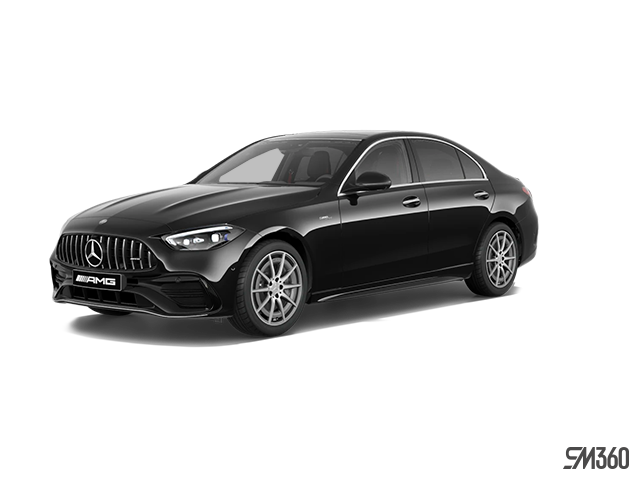
2026 Mercedes-Benz C-Class Sedan

2026 Mercedes-Benz C-Class Sedan
plus

Photo for illustrative purposes only.

More Details link-icon

Other Articles That May Interest You

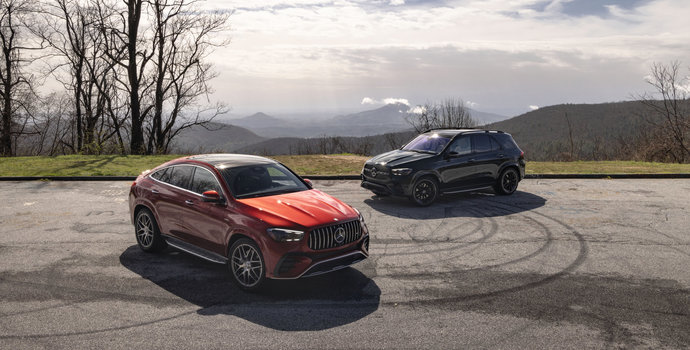
Comparing the 2026 Mercedes-Benz GLE 450 Coupe to the GLE 350 SUV
plus

Comparing the 2026 Mercedes-Benz GLE 450 Coupe to the GLE 350 SUV

Choosing between the 2026 GLE 350 and the GLE 450 4MATIC Coupe is not just a trim decision, it is a body-style decision. One is a traditional SUV with room to grow into a third row. The other trades that flexibility for a sloping roofline and a six-cylinder engine. If you are shopping in Ontario and trying to match the shape and powertrain to how you actually drive, here is how the two compare....

Read more link-icon
2026 Mercedes-Benz CLE: More Space Than You Might Expect in Every Body Style
plus

2026 Mercedes-Benz CLE: More Space Than You Might Expect in Every Body Style

Shopping for a two-door luxury car in Ontario usually comes with an assumption: styling wins, cabin room loses. The 2026 Mercedes-Benz CLE pushes back on that idea, using a longer wheelbase and a cabin layout borrowed from the E-Class to keep four adults comfortable without shrinking the trunk to a token slot. This guide looks at how the CLE actually gained space over its coupe predecessor, how...

Read more link-icon
221 hp, 4MATIC, Two Sizes: How the Mercedes-Benz GLA and GLB Actually Differ
plus

221 hp, 4MATIC, Two Sizes: How the Mercedes-Benz GLA and GLB Actually Differ

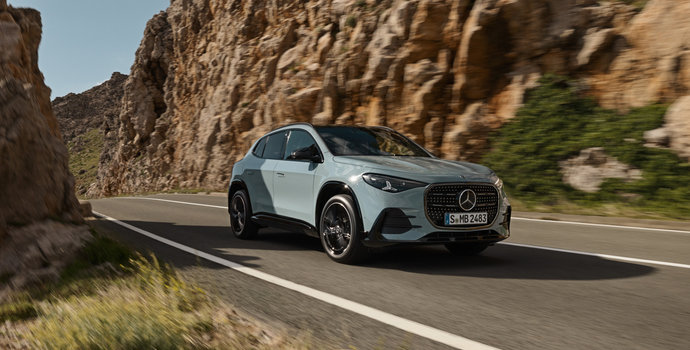
Both the GLA and GLB wear the same three-pointed star, share a turbocharged engine family, and offer 4MATIC all-wheel drive as standard. For buyers narrowing their search within the Mercedes-Benz compact SUV lineup, those similarities make the choice feel harder than it is. The two models are actually built around different priorities, and understanding those differences makes the right pick...

Read more link-icon