

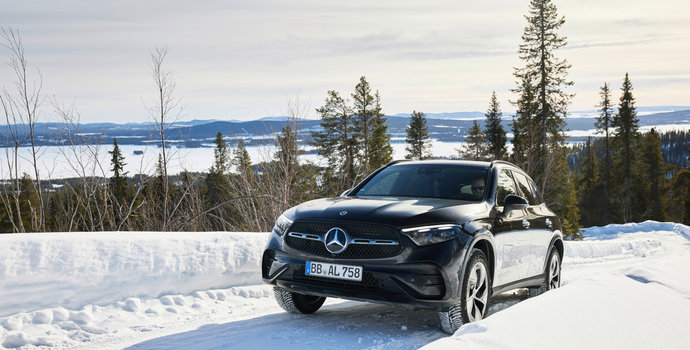
Preparing Your Home for an Electric Vehicle Home Charger

Preparing Your Home for an Electric Vehicle Home Charger

If you are purchasing an electric vehicle, you probably know that there are a few steps you need to take when you are waiting for the delivery. Electric vehicles have many benefits, from the reduction of your carbon footprint to lower maintenance costs — however, they need a little preparation so you can be sure to get every last kilometer on your next Caledon adventure. So when you purchase a new EV, electric vehicle charging batteries are an important thing to consider. While there are electric vehicle charging stations in the Brampton area, home charging will still likely be your primary method of EV charging. That being said, you can dive into five easy steps in order to prepare your house for a new Mercedes-Benz EQE or a Mercedes-Benz EQB!

1.Choose Your Charging Type or Level

There are a few different EV chargers to take into consideration, and now is a good time to start your research. As a refresher, typical home car charging systems fall into Level 1 or Level 2. Check out some of the information:

  • Level 1 EV charging can take days to completely charge an electric car.
  • Level 2 EV will typically take several hours to fully charge an electric car. You can usually achieve between 95-320 kilometers of range in just 20-30 minutes with Level 2 DC charging, though. So it’s a good idea to intermix daytime “top-off” charging with overnight charging.

2. Prepare Your Garage

If you haven’t cleaned up a space in your garage, now is the time to do just that! You will want to ensure your garage is ready for an EV before it gets delivered to your Georgetown home! It’s a good idea to take the time to clean out extra clutter and get organized.

3. Find Your Power Panel & Assess Consumption

Electric car charging batteries require some more preparation. The power panel in your home distributes electricity throughout the entire building, and it should be rated for a maximum current flow measured in Amperes. Typically, new homes come with a 100 Amp power panel and the amperage rating printed on your main circuit breaker.

Then, you’ll want to know how much electrical energy you consistently use in your house. You can do this by self-assessing your electricity before installing an EV charging system. You want to avoid overloading your electric distribution panel.

4. Have an Electrician Come In for Assessment

After doing everything we mentioned above, you can hire an electrician and discuss any concerns about your power consumption and EV charging. You can also have them install a dedicated 240-volt plug or add a hardwired circuit back to the power panel. This will typically cost a couple hundred dollars but can range between $1,000 and $3,000 if it’s found that your power panel is not sufficient as-is and requires upgrading.

5. Buy Your Charger and have it Installed

Last but not least, and after you have researched and purchased an EV charger for your Mercedes-Benz, it would be time to do so and have it professionally installed by the electrician of your choice.

Learn More About Electric Vehicle Charging Batteries at Mercedes-Benz Brampton!

After learning about electric vehicle charging stations and batteries, you can rely on our team at Mercedes-Benz Brampton to help you prepare your home for an electric vehicle. Contact us anytime at Mercedes-Benz Brampton or call. Meanwhile, browse our current selection of Mercedes Electric models!

2027 Mercedes-Benz AMG GT Coupe 2-door

2027 Mercedes-Benz AMG GT Coupe 2-door
plus

Photo for illustrative purposes only.

More Details link-icon

Other Articles That May Interest You

Mercedes-Benz Winter Tire Guide and Weather Maintenance Tips
plus

Mercedes-Benz Winter Tire Guide and Weather Maintenance Tips

Cold mornings, slush and salty roads ask a lot of any vehicle. Your Mercedes-Benz uses systems like ABS and ESP to help you stay in control, and every one of them depends on the grip between your tires and the road. The right tires, set to the right pressure, give those systems the traction they need. This guide covers choosing winter tires, reading the MO markings on the sidewall, checking...
Read more link-icon
2026 vs 2027 Mercedes-Benz GLC: What Changes With the Electric GLC 400?
plus

2026 vs 2027 Mercedes-Benz GLC: What Changes With the Electric GLC 400?

The Mercedes-Benz GLC has long been the go-to midsize luxury SUV for drivers who want room for the family, a quiet cabin and 4MATIC all-wheel drive. For the 2027 model year, the GLC family grows in a new direction. The all-new electric GLC 400 4MATIC joins the lineup next to the 2026 GLC 300, which runs on gas with mild hybrid help, and the 2026 GLC 350e plug-in hybrid. That gives shoppers...

Read more link-icon
4MATIC in Fall Rain: Why All-Wheel Drive Matters on Ontario’s Wet Autumn Roads
plus

4MATIC in Fall Rain: Why All-Wheel Drive Matters on Ontario’s Wet Autumn Roads

The first cold rain of the season rarely announces itself. One morning the pavement is dry, and by the afternoon commute it’s slick with a mix of rain, road oil, and a fresh layer of fallen leaves. For Ontario drivers, that combination shows up every autumn, and it changes how a vehicle grips the road. This is exactly the kind of moment 4MATIC all-wheel drive is built to handle. Here’s what the...

Read more link-icon