
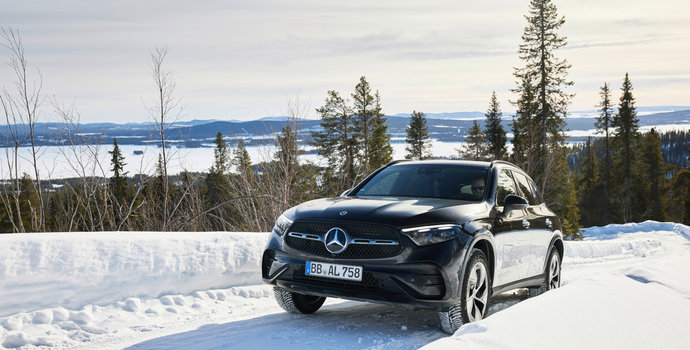
What is Mercedes-Benz Navigation with Electric Intelligence?

What is Mercedes-Benz Navigation with Electric Intelligence?

Mercedes-Benz Navigation with Electric Intelligence is a sophisticated feature designed to enhance the driving experience of electric vehicle owners in and around Brampton by addressing key challenges like route planning, energy efficiency, and, most importantly, range anxiety.

This article provides a detailed overview of how this technology works, its benefits for Mercedes-Benz owners, and its role in facilitating a smooth transition to electric driving.

Understanding Mercedes-Benz Navigation with Electric Intelligence


Mercedes-Benz Navigation with Electric Intelligence is an advanced system built into the brand’s electric vehicles. Unlike traditional navigation systems that simply guide you to a destination, this system considers the unique requirements of electric driving, such as battery range, charging station availability, and driving conditions. It integrates these factors into its route calculations to ensure that drivers can reach their destinations efficiently and with minimal concern about running out of battery power.

How the Technology Operates

Mercedes-Benz Navigation with Electric Intelligence operates through several interconnected features designed to provide a seamless and efficient driving experience:

1- Comprehensive Route Planning

When a driver inputs a destination, the system begins by analyzing various factors to determine the most efficient route. These factors include:

  • Battery Charge Level: The primary consideration is the vehicle’s battery's current charge. The system calculates how far the vehicle can travel on the available charge and plans the route accordingly.
  • Driving Style and Conditions: The system takes into account the driver’s typical driving behaviour, such as speed and acceleration patterns, as well as external conditions, like weather and terrain. For example, driving uphill or in cold weather consumes more energy, so the system adjusts its route calculations to reflect this.
  • Traffic and Road Conditions: Real-time traffic data is integrated to avoid delays that could affect battery consumption.

2- Intelligent Charging Station Integration


One of the most valuable aspects of this system is its ability to incorporate charging stops into the route automatically:

  • Charging Station Locations: The system identifies and integrates suitable charging stations along the route. It considers factors like the distance to each station, the type of chargers available (e.g., fast-charging), and their availability.
  • Optimized Charging Times: The system not only guides you to the nearest charging station but also calculates how long you need to charge to reach your destination or the next station. This helps to minimize downtime and ensures that charging stops are efficient.

3- Real-Time Adjustments

As the journey progresses, the system continually monitors the vehicle’s battery level and external conditions:

  • Dynamic Recalculation: If there are changes in traffic, road conditions, or unexpected detours, the system recalculates the route in real-time. It may suggest alternative routes or additional charging stops if necessary.
  • Energy Conservation Recommendations: The system can also provide tips to conserve energy based on current driving conditions, such as reducing speed or activating energy-saving driving modes.

Benefits for Mercedes-Benz Owners


The Navigation with Electric Intelligence system offers several practical benefits, particularly for those new to electric vehicles:

1- Reducing Range Anxiety

Range anxiety, the fear of depleting the battery before reaching a charging station, is a common concern among EV owners. This system directly addresses this issue by ensuring that drivers always have a clear plan for recharging and by providing real-time updates on their vehicle’s range. This proactive approach helps drivers feel more confident and secure during their journeys.

2- Streamlining Long-Distance Travel

For long trips, the system’s ability to integrate charging stops into the route is particularly useful. It eliminates the need for manual planning and helps ensure that charging is both convenient and time-efficient. This is crucial for making electric vehicles a viable option for long-distance travel.

3- Facilitating the Transition to Electric Vehicles

For those who are transitioning from traditional internal combustion engine vehicles to electric vehicles, Navigation with Electric Intelligence serves as a helpful guide. It reduces the learning curve by automating complex calculations related to range and charging, allowing drivers to focus on the driving experience rather than worrying about battery management.

Supporting the Shift to Electric Mobility


Mercedes-Benz Navigation with Electric Intelligence represents a thoughtful approach to electric vehicle navigation, addressing the specific needs and concerns of EV drivers. By combining intelligent route planning, real-time data, and optimized charging strategies, it enhances the practicality and ease of using an electric vehicle.

For new EV owners, this system is particularly beneficial. It helps demystify the electric driving experience, making the transition smoother and more intuitive. As electric vehicles become more prevalent, such technologies will be essential in ensuring that drivers can enjoy the benefits of electric mobility without unnecessary complications.

In conclusion, Mercedes-Benz Navigation with Electric Intelligence is a crucial tool for managing the unique aspects of electric driving. It offers practical solutions to common challenges like range anxiety and route planning, making electric vehicles more accessible and user-friendly. This technology is not just a luxury—it’s an essential feature that helps drivers navigate the transition to a more sustainable future with confidence.

You might also be interested in these blogs:


Other Articles That May Interest You

Mercedes-Benz Winter Tire Guide and Weather Maintenance Tips
plus

Mercedes-Benz Winter Tire Guide and Weather Maintenance Tips

Cold mornings, slush and salty roads ask a lot of any vehicle. Your Mercedes-Benz uses systems like ABS and ESP to help you stay in control, and every one of them depends on the grip between your tires and the road. The right tires, set to the right pressure, give those systems the traction they need. This guide covers choosing winter tires, reading the MO markings on the sidewall, checking...
Read more link-icon
2026 vs 2027 Mercedes-Benz GLC: What Changes With the Electric GLC 400?
plus

2026 vs 2027 Mercedes-Benz GLC: What Changes With the Electric GLC 400?

The Mercedes-Benz GLC has long been the go-to midsize luxury SUV for drivers who want room for the family, a quiet cabin and 4MATIC all-wheel drive. For the 2027 model year, the GLC family grows in a new direction. The all-new electric GLC 400 4MATIC joins the lineup next to the 2026 GLC 300, which runs on gas with mild hybrid help, and the 2026 GLC 350e plug-in hybrid. That gives shoppers...

Read more link-icon
4MATIC in Fall Rain: Why All-Wheel Drive Matters on Ontario’s Wet Autumn Roads
plus

4MATIC in Fall Rain: Why All-Wheel Drive Matters on Ontario’s Wet Autumn Roads

The first cold rain of the season rarely announces itself. One morning the pavement is dry, and by the afternoon commute it’s slick with a mix of rain, road oil, and a fresh layer of fallen leaves. For Ontario drivers, that combination shows up every autumn, and it changes how a vehicle grips the road. This is exactly the kind of moment 4MATIC all-wheel drive is built to handle. Here’s what the...

Read more link-icon