
4MATIC in Fall Rain: Why All-Wheel Drive Matters on Ontario’s Wet Autumn Roads

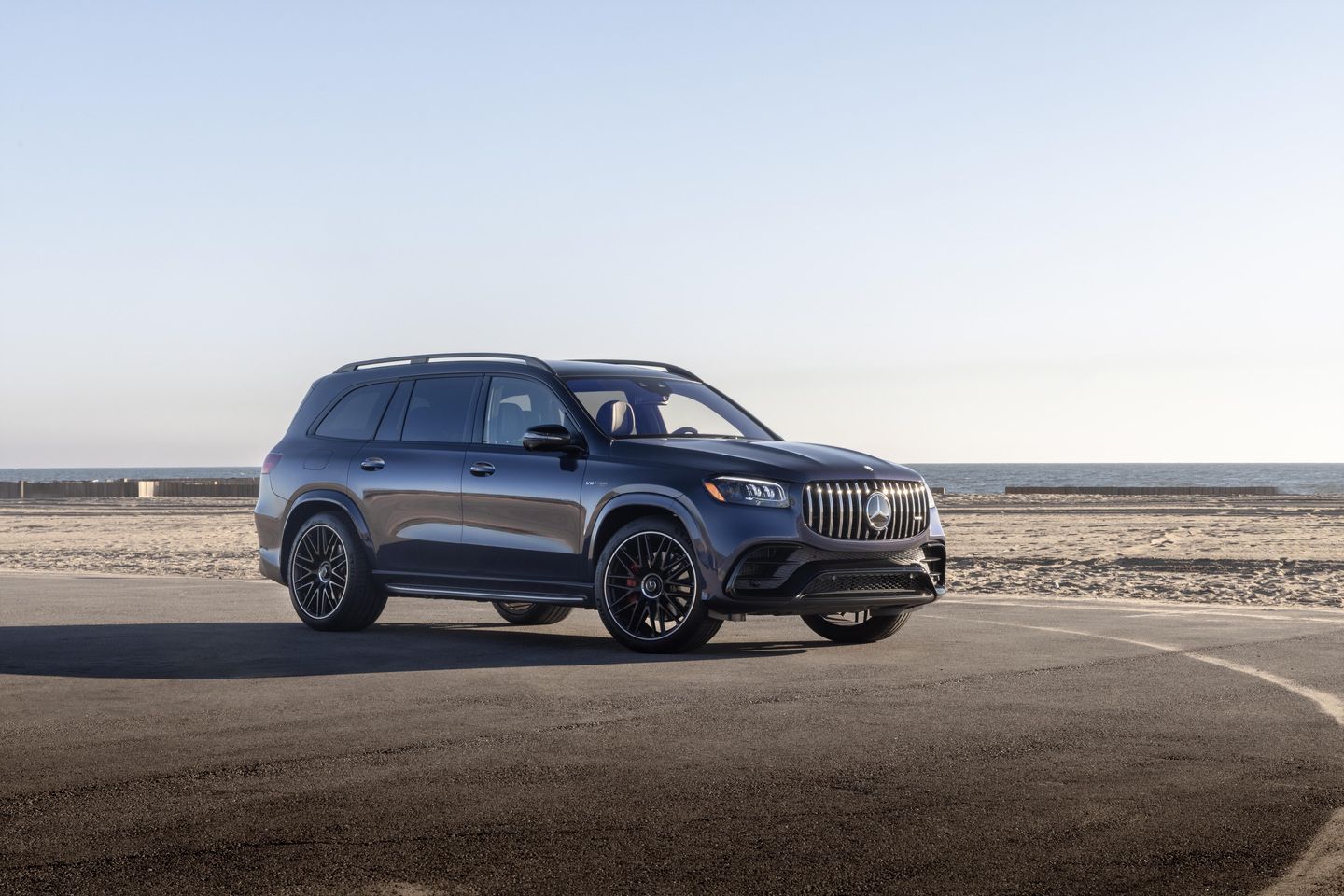
2026 Mercedes-Benz GLS 580 - Front three-quarter view of a dark blue 2026 Mercedes-Benz GLS 580 parked on a beach - Mercedes-Benz Brampton - New car dealership in Brampton, Ontario

The first cold rain of the season rarely announces itself. One morning the pavement is dry, and by the afternoon commute it’s slick with a mix of rain, road oil, and a fresh layer of fallen leaves. For Ontario drivers, that combination shows up every autumn, and it changes how a vehicle grips the road.

This is exactly the kind of moment 4MATIC all-wheel drive is built to handle. Here’s what the system actually does, and why it matters once the leaves start coming down.


Why 4MATIC Matters This Fall

Mercedes-Benz 4MATIC all-wheel drive is designed to support traction and control when road conditions change. Working together with 4-ETS, the system helps manage wheel slip on wet pavement, fallen leaves, and other unpredictable autumn surfaces for a more composed drive.

Shop 4MATIC Inventory >


What 4MATIC Actually Is

4MATIC is Mercedes-Benz’s all-wheel drive system, designed to support traction and control when road conditions change without warning. It uses a mechanical centre differential, or a fully variable clutch-based system on newer models, that can shift engine torque between the front and rear axles.

Working alongside it is 4-ETS, the 4-wheel Electronic Traction System. Think of 4-ETS as a wheel-braking partner: when a single wheel starts to slip, it applies braking force to that wheel in milliseconds, simulating a differential lock without any input from the driver.

Together, 4MATIC and 4-ETS are the two systems doing the quiet work behind a composed feeling through a wet corner or an uneven patch of pavement.

How It Works, In Plain Language

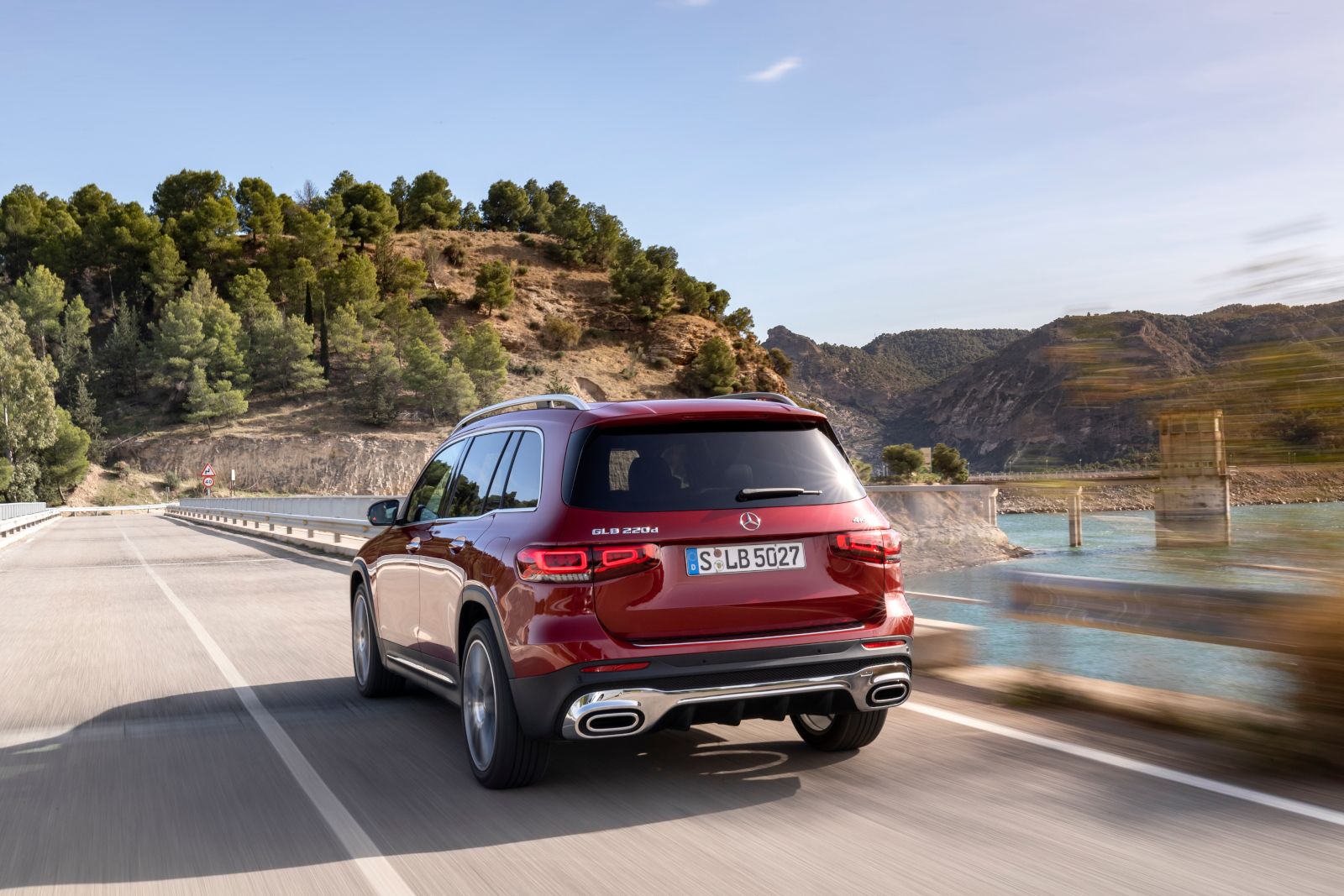
2026 Mercedes-Benz GLB 250 - Rear three-quarter view of a red 2026 Mercedes-Benz GLB 250 driving on a bridge - Mercedes-Benz Brampton - New car dealership in Brampton, Ontario


Under normal, dry conditions, most current 4MATIC vehicles run in a front-wheel-drive-biased mode to keep things efficient. The moment sensors detect a wet or slippery surface, the system shifts torque toward a 50:50 split, or a variable distribution of anywhere from 0 to 100% of torque between the axles, depending on what each wheel needs.

That adjustment happens continuously, monitoring wheel slip and redistributing torque in milliseconds, faster than a driver could react by easing off the gas or correcting the wheel. This response matters most in the first few minutes of rainfall, when oils sitting on the road surface mix with new moisture and grip drops sharply before the rain has had a chance to wash the pavement clean.

4MATIC comes standard on most Mercedes-Benz models sold in Canada, so this traction support is built into the vehicle rather than something to add on later.

Why It Matters on Ontario’s Fall Roads

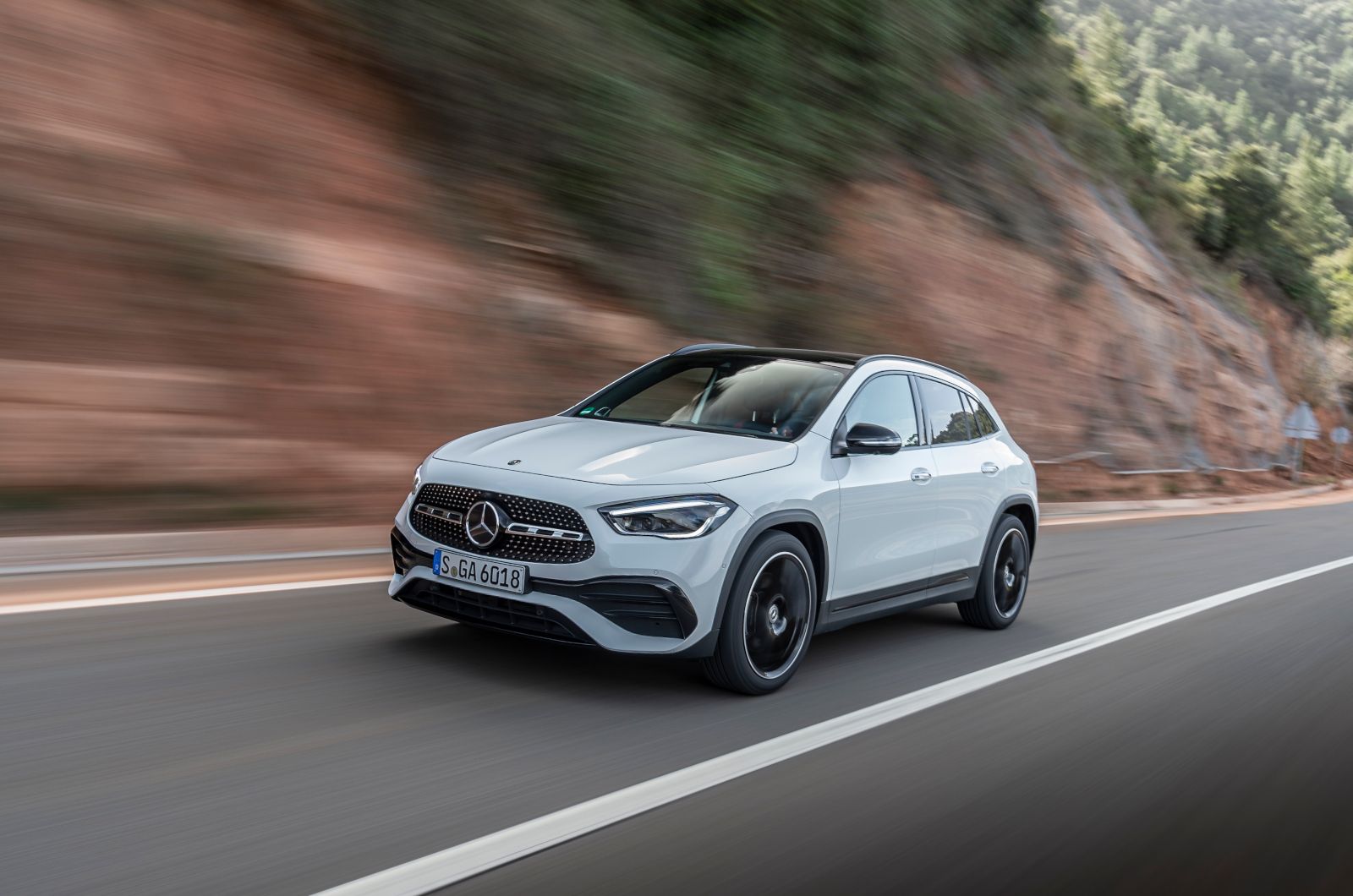
2026 Mercedes-Benz GLA 250 - Front three-quarter view of a white 2026 Mercedes-Benz GLA 250 driving on a highway - Mercedes-Benz Brampton - New car dealership in Brampton, Ontario


Rain is not a rare event in an Ontario fall, and it carries real risk. Provincial data attributes rain as a contributing factor in roughly 9.2% of fatal collisions and about 8.2% of injury collisions across Ontario.

Wet leaves add another layer to that risk. Multiple Canadian driving-safety sources note that wet leaves can be as slippery as ice, particularly during braking or cornering, a hazard that belongs to fall driving specifically, not winter.

Drivers also carry a legal responsibility here: Ontario’s rules of the road expect reduced speed and increased following distance when conditions turn wet or leaf-covered. 4MATIC and 4-ETS support that responsibility, they don’t replace it.

It’s worth being precise about what the system does and doesn’t do. 4MATIC improves traction and stability control, helping the vehicle respond quickly when a wheel starts to lose grip on wet or uneven pavement. It does not prevent hydroplaning. Once all four tires lose contact with the road on standing water, no all-wheel drive system can restore that contact.

Tire tread and a slower speed remain the real defense against aquaplaning, and 4MATIC works best as a complement to attentive driving, not a substitute for it.

Who Notices the Difference Most

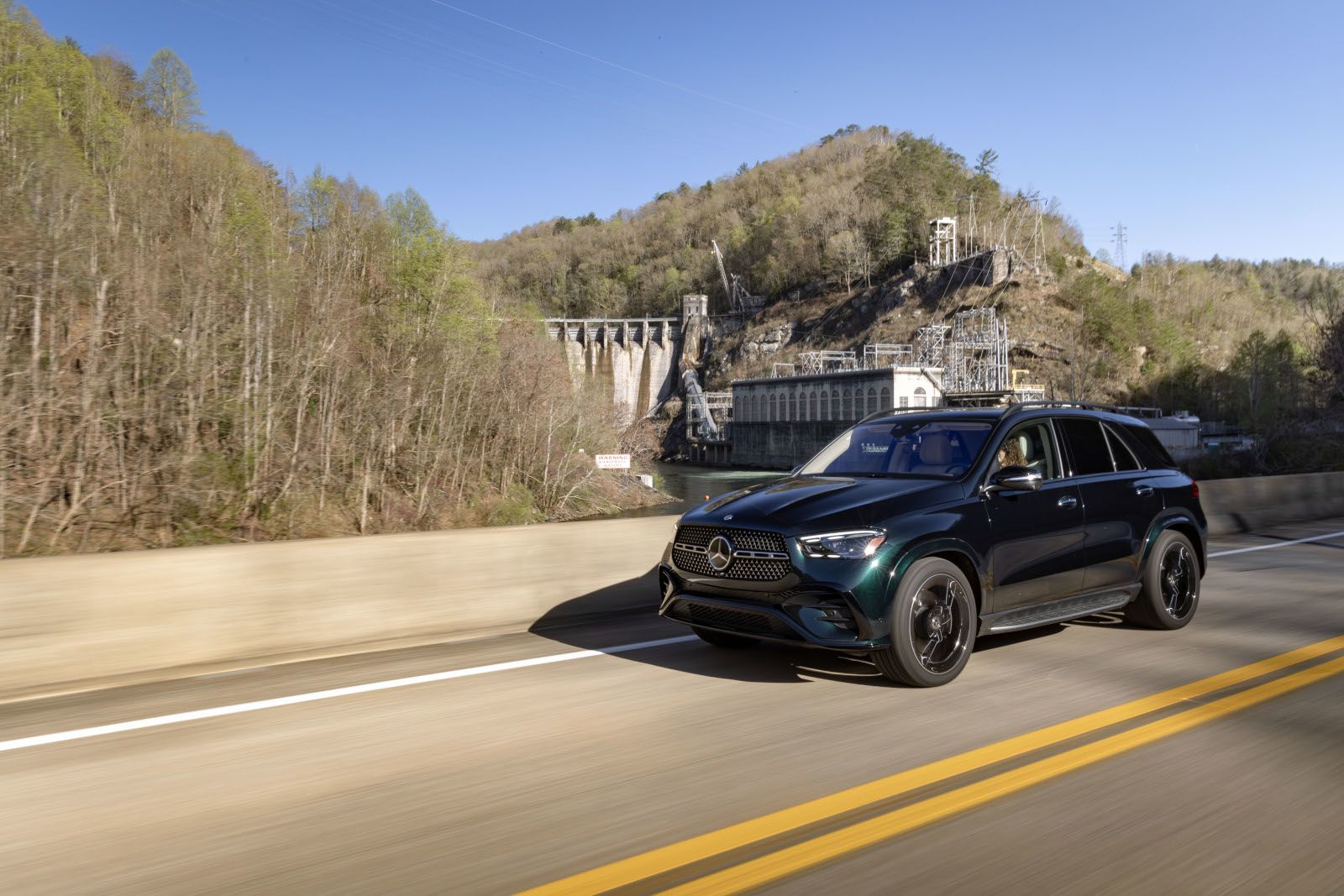
2026 Mercedes-Benz GLE 450 - Front three-quarter view of a dark green 2026 Mercedes-Benz GLE 450 driving on a bridge - Mercedes-Benz Brampton - New car dealership in Brampton, Ontario


AWD earns its keep in ordinary moments: a commute through steady rain, a school run on a slick side street, a grocery run after a fall shower, or merging onto the highway with wet pavement underfoot. These are the situations where torque redistribution and wheel-braking work quietly in the background.

A few driver types tend to value it most:

  • Daily commuters who drive through changing weather regardless of the forecast
  • Families making frequent short trips in unpredictable fall conditions
  • Anyone who regularly faces wet-road driving as part of a routine, not just an occasional road trip

For shoppers comparing AWD-equipped Mercedes-Benz models, 4MATIC is one of the clearer reasons to lean toward an all-wheel-drive trim over a rear-wheel-drive configuration, especially heading into a season defined by rain and falling leaves rather than snow.

Getting Ready for Fall Driving in Brampton

4MATIC and 4-ETS work together to keep torque and braking responsive when Ontario’s fall roads turn unpredictable, but the system supports good driving habits rather than replacing them. Tread depth, speed, and following distance still do the heavy lifting on standing water and wet leaves.

Visit Mercedes-Benz Brampton in Brampton to explore 4MATIC-equipped models or book a fall check on your current vehicle before the season’s wet weather settles in.


You might be interested in these blogs:

2026 Mercedes-Benz GLC

2026 Mercedes-Benz GLC
plus

Photo for illustrative purposes only.

More Details link-icon

Other Articles That May Interest You

Mercedes-Benz Winter Tire Guide and Weather Maintenance Tips
plus

Mercedes-Benz Winter Tire Guide and Weather Maintenance Tips

Cold mornings, slush and salty roads ask a lot of any vehicle. Your Mercedes-Benz uses systems like ABS and ESP to help you stay in control, and every one of them depends on the grip between your tires and the road. The right tires, set to the right pressure, give those systems the traction they need. This guide covers choosing winter tires, reading the MO markings on the sidewall, checking...
Read more link-icon
2026 vs 2027 Mercedes-Benz GLC: What Changes With the Electric GLC 400?
plus

2026 vs 2027 Mercedes-Benz GLC: What Changes With the Electric GLC 400?

The Mercedes-Benz GLC has long been the go-to midsize luxury SUV for drivers who want room for the family, a quiet cabin and 4MATIC all-wheel drive. For the 2027 model year, the GLC family grows in a new direction. The all-new electric GLC 400 4MATIC joins the lineup next to the 2026 GLC 300, which runs on gas with mild hybrid help, and the 2026 GLC 350e plug-in hybrid. That gives shoppers...

Read more link-icon
Why The 2027 Mercedes-Benz CLA Won Car Of The Year 2026: 602 km Of Range And 320 kW Charging
plus

Why The 2027 Mercedes-Benz CLA Won Car Of The Year 2026: 602 km Of Range And 320 kW Charging

The European Car of the Year jury handed the all-new Mercedes-Benz CLA its 2026 title at a ceremony during the Brussels Motor Show in January 2026. Fifty-nine automotive journalists from 23 countries cast votes. The CLA faced 34 other new models, made the final six, and finished with 320 points, a full 100 points clear of the second-place car. Awards are easy to hand out and harder to explain....

Read more link-icon